Serious Signs of Food Poisoning in Dogs You Should Never Ignore
As a professional dog trainer, I spend a lot of time helping dogs learn better behavior, but one thing training cannot protect them from is unsafe food. Over the years, I have seen how quickly food poisoning in dogs can turn from mild discomfort into a serious emergency. Many owners assume an upset stomach will pass, but food poisoning in dogs often shows warning signs that should never be ignored. Knowing what to watch for and when to act can make a life saving difference for your dog.
What Causes Food Poisoning in Dogs
Food poisoning in dogs usually happens when they ingest something toxic, spoiled, or unsafe. This can include human foods, trash, medications, or items found outdoors. Dogs are curious by nature, and even well trained dogs may grab something before you can stop them. This is why food poisoning in dogs remains one of the most common emergency issues veterinarians see.
Some common causes include:
-
Fatty table scraps
-
Chocolate, onions, garlic, and grapes
-
Moldy food or trash
-
Spoiled leftovers
-
Certain artificial sweeteners
-
Toxic plants
Many of these risks increase during holidays and family gatherings. I often remind clients that food poisoning in dogs spikes around celebrations when food is left within reach. This is why understanding holiday food dangers for dogs is so important for prevention.
Early Signs of Food Poisoning in Dogs
Food poisoning in dogs does not always look severe at first. Early symptoms are often subtle and easy to dismiss. These early signs include:
-
Vomiting or dry heaving
-
Diarrhea or loose stool
-
Excessive drooling
-
Lethargy or weakness
-
Loss of appetite
When I see dogs acting unusually tired during training sessions, I always ask owners about recent food exposure. Food poisoning in dogs often shows up within hours of ingestion, but symptoms can sometimes take longer to appear depending on the toxin.
Serious Symptoms You Should Never Ignore
Some signs of food poisoning in dogs indicate a medical emergency. If you notice any of the following, you should seek veterinary care immediately:
-
Persistent vomiting or diarrhea
-
Blood in vomit or stool
-
Tremors or seizures
-
Collapse or difficulty standing
-
Severe abdominal pain
-
Pale gums or rapid breathing
At this stage, food poisoning in dogs can progress quickly. Delaying treatment increases the risk of dehydration, organ damage, or worse.
Why Immediate Veterinary Care Matters
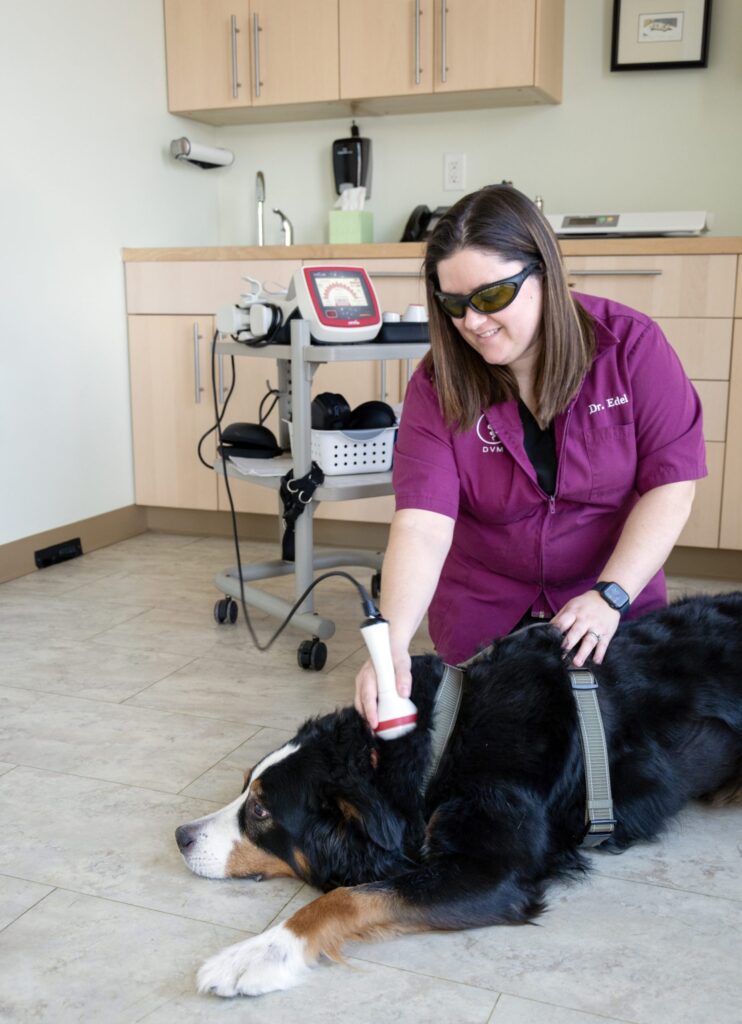
As a trainer, I focus on behavior, but when food poisoning in dogs is suspected, veterinary care is non negotiable. A trusted local clinic like Heartland Animal Hospital plays a critical role in diagnosing and treating these cases. Their experienced veterinary team can provide supportive care, medications, and monitoring that dogs simply cannot get at home.
If you ever suspect food poisoning in dogs, contacting Heartland Animal Hospital at 515-255-4464 or emailing [email protected] can help you get guidance quickly. Their location at 4115 University Avenue, STE 200, Des Moines, IA 50311 makes them a valuable resource for local dog owners. You can also reach out through their official contact page if you are unsure how urgent the situation may be.
Preventing Food Poisoning Through Training and Management
Training alone does not prevent food poisoning in dogs, but it significantly reduces risk. Dogs that understand boundaries and impulse control are less likely to grab unsafe items. Teaching commands like leave it, place, and recall helps limit dangerous behavior before it happens.
In my experience, dogs enrolled in a Basic Obedience Program learn essential self control skills that reduce scavenging and counter surfing. Structured training creates clearer communication, which helps dogs make safer choices even when tempting food is nearby.
Common Household Situations That Increase Risk
Food poisoning in dogs often happens during everyday routines. Some of the most common scenarios include:
-
Unattended plates on coffee tables
-
Trash cans without lids
-
Guests feeding dogs without permission
-
Outdoor compost piles
-
Dropped food during meal prep
I encourage clients to combine management strategies with training. Baby gates, secure trash bins, and clear house rules work together to reduce the chances of food poisoning in dogs.
Final Thoughts
Food poisoning in dogs is serious, unpredictable, and often preventable. Paying attention to early warning signs, acting quickly when symptoms appear, and building strong training foundations all work together to keep dogs safe. Partnering with reliable veterinary professionals like Heartland Animal Hospital ensures your dog receives proper care when it matters most.
If you want help improving your dog’s impulse control, safety awareness, and overall obedience, reaching out through the Off Leash K9 Training Des Moines contact page is a great place to start. Proper training supports healthier, safer dogs and gives owners peace of mind.